
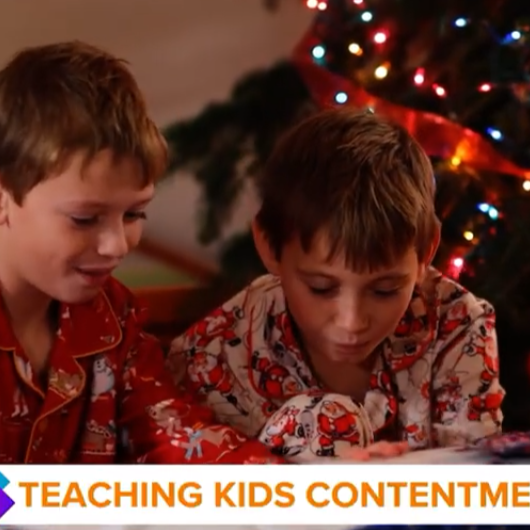
Generosity, Gratitude & Gifts: Teaching Kids Contentment in a Season of Giving (and Getting)
It’s that magical time of year when kids wake up before sunrise, sprint downstairs, and light up at the sight of gifts under the tree. Wrapping paper flies, ribbons unravel, and smiles fill the room. But sometimes—after the excitement settles—parents see that other reaction: the disappointed face when a gift isn’t quite what they hoped for.
So how do we help our kids handle both the joy and the letdown? It starts long before Christmas morning—with teaching contentment, gratitude, and generosity.
Building the Foundation Before the Gifts Come Out
Gifts are wonderful, but they aren’t the foundation of the season. Before the holidays even begin, we can help kids anchor their expectations in more meaningful values.
Values to Teach Early and Often
- Generosity – Helping kids look beyond themselves and notice the needs of others.
- Gratitude – Encouraging them to appreciate what they already have.
- Meaning – Reminding them why we give gifts in the first place: to show love, celebrate relationships, and bless one another.
With these values in place, kids approach the holidays with a healthier perspective—one that isn’t thrown off by a gift that doesn’t match their wishlist.
Helping Kids Appreciate What They Receive
It’s totally normal for younger kids to be self-focused. That’s part of growing up. But we can still guide them toward gratitude—even if they don’t unwrap exactly what they expected.
Ways to Help Kids Feel Grateful (Even When the Gift Isn’t Perfect)
- Talk about expectations. Let kids imagine and hope—but balance it with conversations about meaning and family traditions.
- Keep the joy, add perspective. Encourage their excitement while also sharing why we give gifts at all.
- Let them help give. Kids who shop, make, or wrap gifts tend to be more appreciative of receiving.
- Teach empathy gently. Help them understand that not everyone has the same resources or holiday experience.
Kids quickly learn that giving can be just as meaningful—sometimes even more meaningful—than receiving.
Handling the Social Media Comparison Trap
Thanks to social media, kids have front-row seats to other families’ Christmas mornings. They may compare their gifts to what they see online.
Tips for Helping Kids Avoid Comparison
- Talk openly about what they notice online. Ask questions like “How does that make you feel?” or “What do you think is real vs. what’s posted?”
- Model healthy scrolling habits. If adults compare themselves online, kids will too.
- Focus on your family’s story. Remind kids that what they see online is only the highlight reel.
- Delay social media when possible. The later they start, the better their emotional health.
When kids know what matters most in your family, they’re less likely to measure themselves against others.
Practicing Gratitude All Year Long
Contentment isn’t a December-only skill—it’s nurtured through consistent habits throughout the year.
Practical Everyday Ways to Model Gratitude
- Volunteer together. Shared experiences foster empathy and perspective.
- Highlight others’ needs. Use natural conversations to talk about kindness and compassion.
- Prepare kids for Christmas morning.
- Open gifts one at a time.
- Pause for a genuine “thank you.”
- Create a calm, not chaotic, rhythm.
- Talk about money and value. Help kids understand the time, sacrifice, and thought behind every gift.
Small habits add up—and they shape a lifelong attitude of gratitude.
The Bigger Picture: Teaching Contentment for Life
When kids learn to appreciate what they have, understand the joy of giving, and value meaning over material things, the holidays become richer in every way. And these lessons last far beyond Christmas Day—they shape character, compassion, and emotional resilience.
Whether you’re navigating holiday stress or wanting to build healthier family rhythms year-round, our therapists are here to help.